

Meta title: Modern Wolf Mullet Styles: Bold Looks for Men (29 Ideas)
Meta description: Explore 29 modern wolf mullet styles for men. Find the right cut for your face shape and hair type, plus styling tips and FAQs.
URL slug: /wolf-mullet-haircut-men
The wolf mullet is one of the loudest men’s haircuts right now, and also one of the most wearable. It mixes the choppy layers of a shag with the longer back of a mullet. The result looks messy on purpose, with plenty of movement.
If you want a haircut with attitude, this is it. This guide covers 29 modern wolf mullet styles, how the cut differs from older looks, and how to match it to your face shape and hair type. You will also find quick answers to the most common questions.
The Rise of the Wolf Mullet Aesthetic

The wolf mullet did not appear overnight. It grew out of 1970s shag layers and 1980s mullet shapes, then got a modern reset on social media. Short videos and street-style photos pushed it into barbershops everywhere.
Three things explain its popularity:
- It breaks the rules. The cut looks relaxed and a little rebellious.
- It adapts. You can wear it short, long, curly, straight, or dyed.
- It photographs well. Layers and texture show up clearly on camera.
Today, the wolf mullet sits between a classic men’s cut and a statement look. You can keep it soft for the office or push it harder for a night out.
29 Wolf Mullet Haircut Styles You Need to See
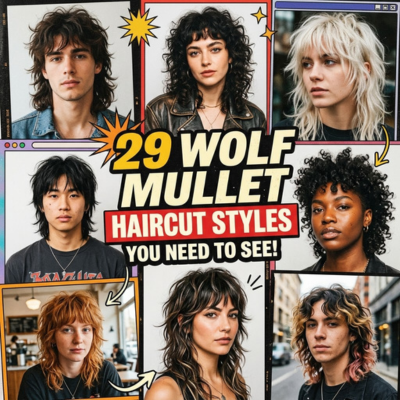
Below are 29 ways to wear the cut. Each one fits a different hair type, length, or personality. Show your barber a photo of the one you like, and ask them to adjust it for your hair.
Classic Wolf Mullet Balance

This is the best starting point. The top has medium layers, the sides stay controlled, and the back runs a little longer. It gives you the full wolf mullet shape without going extreme. Most barbers can cut it with no fuss.
- Best for: First-timers and anyone with straight to lightly wavy hair. It flatters most face shapes.
- Ask your barber for: Medium layers on top, controlled sides, and a back that sits just past the collar.
- Style it with: A pea-sized amount of matte paste, worked through the ends with your fingers.
- Upkeep: A trim every six to eight weeks keeps the shape balanced.
Soft Layered Wolf Mullet
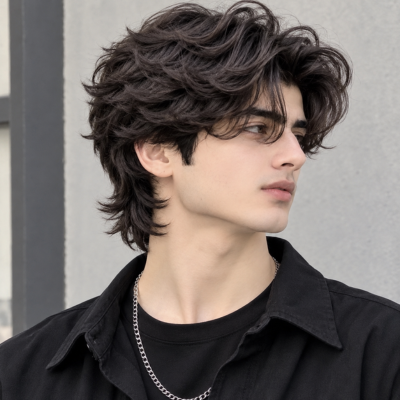
Soft layers blend the top into the back with no hard lines. The ends are lightly feathered, so the cut moves easily. It suits men who want a gentle wolf mullet that looks natural in daily life.
- Best for: Men with fine to medium hair who want movement without a harsh outline.
- Ask your barber for: Long, blended layers with feathered ends and no visible steps.
- Style it with: Sea salt spray on damp hair, then air dry or diffuse on low heat.
- Upkeep: Trim the ends every eight weeks to stop them from splitting and looking tired.
Short Textured Wolf Mullet
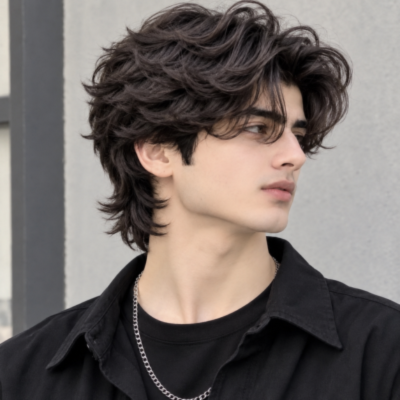
Keep the length compact and let texture do the work. The crown gets choppy layers, and the nape stays only slightly longer. It is a smart choice if you want the wolf mullet look with very little upkeep.
- Best for: Busy men, office dress codes, and anyone nervous about going long.
- Ask your barber for: Short choppy layers on top, with the nape left about an inch longer than the sides.
- Style it with: Texture powder at the roots and a little clay on the tips.
- Upkeep: Visit every four to six weeks, since short cuts lose their shape quickly.
Long Flowing Wolf Mullet
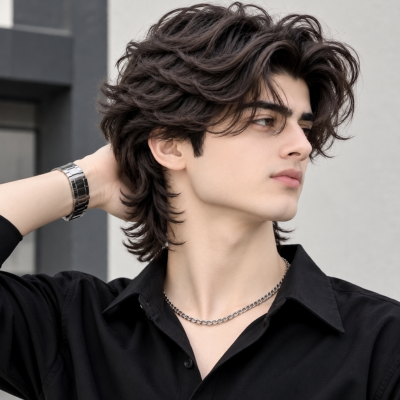
Here the back grows past the collar and moves freely. Long layers keep it from looking heavy. This version needs patience while growing out, but it gives the most dramatic silhouette.
- Best for: Straight or wavy hair with good density. Very fine hair may look sparse at this length.
- Ask your barber for: Long, face-framing layers, a back that skims the shoulders, and shorter pieces on top.
- Style it with: A leave-in conditioner and a wide-tooth comb to avoid tangles.
- Upkeep: Trim only the ends every ten to twelve weeks so you keep the length.
Curly Volume Wolf Mullet
Curls and a wolf mullet work very well together. The layers stop curls from stacking into a triangle shape. You get bounce at the crown and loose, defined curls through the back.
- Best for: Type 2C to 3C curls and men who want shape without frizz.
- Ask your barber for: Dry-cut layers, since cutting curls dry shows the real shape. Keep the sides slightly tapered.
- Style it with: Curl cream on soaking wet hair, scrunched upward, then diffused or air dried.
- Upkeep: Reshape every six weeks and skip brushing once the hair is dry.
Wavy Relaxed Wolf Mullet
Natural waves give this cut an easy, beachy feel. Layers let the waves separate instead of clumping. Air-dry it with a light cream and you are done.
- Best for: Natural wavers and anyone who likes a low-effort, lived-in finish.
- Ask your barber for: Layers that follow your wave pattern, with a slightly longer back.
- Style it with: Light cream or mousse, scrunched in and left alone to dry.
- Upkeep: A trim every eight weeks works for most wave types.
Sleek Straight Wolf Mullet
Straight hair gives a cleaner, sharper wolf mullet. The layers look crisp, and the shine shows off the cut. Ask for point cutting at the ends to avoid a flat, blunt finish.
- Best for: Straight, thick, or Asian hair types that hold a clean line.
- Ask your barber for: Point cutting through the ends and a smooth, slightly curved neckline.
- Style it with: A drop of smoothing serum and a quick blow dry with a paddle brush, finished by hand.
- Upkeep: Straight hair shows split ends fast, so trim every six weeks.
Messy Natural Wolf Mullet
This one celebrates bedhead. The layers are uneven by design, and you style it with your fingers. It works best on hair with some natural wave or grit.
- Best for: Men who hate styling and enjoy a rough, windswept finish.
- Ask your barber for: Uneven, slightly random layering and nothing too neat around the neckline.
- Style it with: Dry shampoo or texture spray. Rake it with your fingers and stop.
- Upkeep: You can stretch visits to ten weeks, since this cut looks better a little grown out.
Heavy Layered Wolf Mullet
Heavy layering removes weight and builds shape. The cut looks fuller on top and wispier at the back. It is ideal when you want strong texture and a clear wolf mullet outline.
- Best for: Thick or coarse hair that needs weight removed to move well.
- Ask your barber for: Deep internal layers, with thinning shears used only on the mid-lengths.
- Style it with: Lightweight styling cream and a diffuser to keep the volume light.
- Upkeep: Book every six weeks so the layers do not grow into a block.
Shag-Driven Wolf Mullet
This version leans toward the shag. The layers start high and run through the whole cut, so the mullet length is subtle. Choose it if you like a rock-inspired look more than a bold back.
- Best for: Fans of 70s rock style, with straight or wavy hair.
- Ask your barber for: Layers that begin near the crown and a back that is only slightly longer.
- Style it with: Volume mousse on damp roots and a loose blow dry for height.
- Upkeep: Shape the fringe every four weeks and the rest every eight.
Korean Soft Wolf Mullet
The Korean take is light and airy. It uses soft, face-framing layers and a gentle curve at the back. The finish looks polished but still relaxed, and it works well on straight, fine hair.
- Best for: Straight, fine hair and a clean, youthful look.
- Ask your barber for: Light, airy layers, a soft see-through fringe, and an inward curve at the nape.
- Style it with: A cool blast from the dryer, a round brush for the fringe, and a light-hold spray.
- Upkeep: Fringe trims every three to four weeks keep the shape neat.
Edgy Razor Wolf Mullet
A razor creates thin, ragged ends that look sharp and modern. The cut has more attitude than scissor work alone. Ask a stylist who is experienced with razor techniques, because the method is easy to overdo.
- Best for: Medium to thick hair that can take a rough finish.
- Ask your barber for: Razor-cut ends used with a light hand. Over-razoring makes hair frizzy.
- Style it with: A moisturizing cream to keep the thin ends smooth.
- Upkeep: Trim every six weeks, and skip this cut if your hair is very dry or damaged.
Wolf Mullet with Micro Bangs
Very short bangs make a strong style statement. They pair well with a longer back for a clear contrast. This look suits men with a strong forehead and a confident wardrobe.
- Best for: Men with a higher forehead and confident style.
- Ask your barber for: Bangs cut above the brow, with soft edges so they do not look like a straight line.
- Style it with: A tiny dab of paste on the fringe and nothing on the rest.
- Upkeep: Expect trims every three weeks, because short bangs grow out awkwardly.
Curtain Bang Wolf Mullet
Curtain bangs part in the middle and fall to the sides. They soften the face and connect smoothly to the layers behind. It is a flattering option for almost every face shape.
- Best for: Oval, square, and round faces. Straight and wavy hair both work.
- Ask your barber for: A center or slightly off-center part, with bangs that sweep to the cheekbones.
- Style it with: A round brush or your fingers while blow drying the bangs outward.
- Upkeep: Reshape the bangs every five weeks as they grow past the cheekbones.
Full Fringe Wolf Mullet
A full fringe sits straight across the forehead. It adds a retro feel and puts the focus on your eyes. Trim it regularly so it does not get in the way.
- Best for: Men with thick, straight hair and a long forehead.
- Ask your barber for: A fringe that stops at the eyebrows, with soft texture rather than a blunt edge.
- Style it with: A light dusting of texture powder to stop the fringe from sticking flat.
- Upkeep: Trim every four weeks. Fringes lose their line fast.
Low Fade Wolf Mullet
A low fade keeps the sides tight while the top and back stay long. It cleans up the edges and makes the cut look sharper. This is a good bridge between a classic barbershop cut and a wolf mullet.
- Best for: Men who want a wolf mullet that still looks sharp at work.
- Ask your barber for: A low taper around the ears and neckline, with long layers left on top and at the back.
- Style it with: Clay for texture and a comb to keep the fade lines clean.
- Upkeep: Fades grow out quickly. Book a touch-up every three to four weeks.
Undercut Contrast Wolf Mullet
Here the lower sections are cut very short, and the top layers hang over them. The contrast gives the look a punk edge. It also makes thick hair easier to manage in warm weather.
- Best for: Very thick hair and warm climates.
- Ask your barber for: A hidden undercut at the nape and sides, with the upper layers long enough to cover it.
- Style it with: Pomade on the top layers, and a sleek back brush when you want the undercut to show.
- Upkeep: The shaved sections need cleaning up every three weeks.
Blonde Highlighted Wolf Mullet
Blonde highlights make every layer stand out. Light strands catch the eye and show off the texture. Ask for a soft, lived-in blend rather than stripes.
- Best for: Light to medium brown hair that lifts well.
- Ask your barber for: Hand-painted highlights around the face and top layers, with darker roots for a natural look.
- Style it with: Purple shampoo once a week to keep brassy tones away.
- Upkeep: Retouch every eight to ten weeks and use a bond-repair treatment monthly.
Two-Tone Wolf Mullet
Two colors, such as dark roots with lighter tips, add depth and drama. The shape of the wolf mullet makes the color change easy to see. Keep the colors close in tone if you want a subtle result.
- Best for: Men who want color without a full bleach job.
- Ask your barber for: A natural root with a lightened or tinted lower half, blended with a soft ombre.
- Style it with: Heat protectant before blow drying so the lightened ends stay healthy.
- Upkeep: The grow-out is forgiving, so color touch-ups can wait about twelve weeks.
Pastel Colored Wolf Mullet
Pastel shades like lilac, mint, or soft pink bring a playful mood. They work best on lightened hair. Use a color-safe shampoo to keep the shade fresh longer.
- Best for: Creative jobs, festival season, and bold personalities.
- Ask your barber for: Bleach to a pale base first, then a semi-permanent pastel shade.
- Style it with: Cold water rinses and color-safe shampoo. Hot water fades pastel quickly.
- Upkeep: Refresh the shade every three to four weeks.
Textured Crown Wolf Mullet
The crown gets extra cutting so the top has lift and grit. This style stops the cut from looking flat and gives you a strong shape from the front. A little sea salt spray goes a long way.
- Best for: Flat, straight hair that needs lift on top.
- Ask your barber for: Short, choppy layers at the crown, with longer pieces blended into the back.
- Style it with: Sea salt spray at the roots, then rough dry upward.
- Upkeep: Refresh the crown layers every six weeks.
High Volume Wolf Mullet
For maximum height, the layers are short at the top and build upward. A blow dryer and some root lift do most of the work. It suits men who like a big, confident silhouette.
- Best for: Medium to thick hair, and men who want height.
- Ask your barber for: Short top layers that stand on their own, with the sides kept slim.
- Style it with: Volumizing mousse, a blow dryer aimed at the roots, and a flexible-hold spray.
- Upkeep: Trim every six weeks. Volume falls flat as layers grow out.
Fine Hair Wolf Mullet
Fine hair needs shorter layers and less thinning. Too much removed weight can leave the ends looking see-through. A well-planned wolf mullet adds fullness that fine hair rarely gets on its own.
- Best for: Men with thin strands or low density.
- Ask your barber for: Shorter layers, no thinning shears, and a fuller perimeter that keeps the ends looking thick.
- Style it with: Volumizing powder at the roots and a light paste on the ends only.
- Upkeep: Trim every six weeks. Wash with a lightweight shampoo and skip heavy oils.
Thick Hair Control Wolf Mullet
Thick hair benefits from internal layering and some weight removal. That keeps the shape from turning into a bulky helmet. The result is a wolf mullet that moves instead of puffing out.
- Best for: Dense, coarse, or very curly hair.
- Ask your barber for: Internal layering, texturizing at the nape, and careful weight removal through the mid-lengths.
- Style it with: A hydrating cream and a light oil to control frizz without weighing the hair down.
- Upkeep: Reshape every six weeks so the density does not return.
Punk Inspired Wolf Mullet
Spiky layers, a rough finish, and strong contrast define this one. It borrows from punk and rock fashion. Matte clay or paste helps the pieces hold their shape.
- Best for: Men with strong style and thick, textured hair.
- Ask your barber for: Spiky, uneven layers and an exaggerated contrast between the sides and the back.
- Style it with: Matte clay or strong paste, with each piece twisted into place.
- Upkeep: Product builds up quickly, so use a clarifying shampoo every two weeks.
Clean Modern Wolf Mullet
This cut is the tidy version. Layers are controlled, the neckline is neat, and the finish looks intentional. It is a safe pick for workplaces that expect a more polished look.
- Best for: Professional settings and men who want a controlled version.
- Ask your barber for: Soft layers, a tapered neckline, and a back that sits neatly above the collar.
- Style it with: A light pomade and a comb for a smooth finish.
- Upkeep: Trim every four to five weeks to keep the neckline sharp.
Razor Shag Wolf Mullet
A razor-cut shag creates a rough, feathered shape across the whole head. The wolf mullet back adds extra length. It is a favorite for men who want movement without much styling effort.
- Best for: Straight or slightly wavy hair with decent thickness.
- Ask your barber for: Razor-cut layers all over and a subtly longer back.
- Style it with: A texturizing spray and your fingers. Avoid brushes that smooth the edges.
- Upkeep: Book every six to eight weeks, and condition well to stop the ends from fraying.
Highlighted Layer Wolf Mullet
Here the color follows the layers. Highlights sit on the top sections so the cut looks three-dimensional. It is a good way to show off a skilled cut.
- Best for: Men with enough layers to show off dimension.
- Ask your barber for: Highlights placed on the top layers only, so the cut reads as three-dimensional.
- Style it with: Color-safe shampoo and a heat protectant.
- Upkeep: Tone every six weeks and retouch the roots every ten.
Wet Texture Wolf Mullet
Wet-look styling gives the wolf mullet a sleek, modern finish. A light gel or serum defines each layer. It suits evenings, events, and anyone who wants a sharper look.
- Best for: Nights out, events, and straight to wavy hair.
- Ask your barber for: Sharp, defined layers that look good even when slicked.
- Style it with: A few drops of styling serum or light gel, scrunched through damp hair.
- Upkeep: Wash thoroughly to remove gel buildup, and trim every six weeks.
What Makes This Cut Different from Traditional Styles
A traditional mullet has a short front and a long back, with little blending. A shag has even layers but no length contrast. The wolf mullet combines both ideas and adds a heavy dose of texture.
Here is a simple comparison:
| Feature | Classic Shag | Traditional Mullet | Wolf Mullet |
| Layering | Even, all over | Minimal | Heavy, choppy |
| Back length | Medium | Long | Medium to long |
| Top volume | High | Low | High |
| Blend between sections | Smooth | Sharp | Soft, feathered |
| Styling effort | Low | Low | Low to medium |
The key difference is the blend. The wolf mullet connects top and back with layers, so the cut looks like one shape rather than two. That is why it feels more modern and easier to wear.
Face Shape & Hair Type Matching Guide
The best wolf mullet is the one that fits your head. Face shape and hair texture decide how the layers will sit. Use the sections below as a starting point, then ask your barber for a final opinion.
Round Face
Round faces look best with height and vertical lines. Choose a high-volume crown and keep the sides slim. A low fade or tapered sides will make your face look longer. Avoid heavy fringes that cut across the face.
Oval Face
Oval faces suit nearly every wolf mullet variation. You can try curtain bangs, a full fringe, or a long flowing back. This is the easiest face shape to match, so choose based on lifestyle and taste.
Square Face
A strong jaw works well with soft layers. Curtain bangs and wavy texture help balance sharp angles. Skip very blunt cuts, since they can make the jawline look harsher.
Thin Hair
If your hair is thin, ask for shorter, lighter layers and a textured top. Keep the back fuller by avoiding too much thinning. Volumizing mousse and a quick blow dry will add body.
Thick Hair
Thick hair can carry heavy layers and long lengths. Ask for internal layering to cut weight without losing shape. A lightweight oil keeps frizz down while preserving the wolf mullet texture.
How to Style a Wolf Mullet at Home
Styling is simple once you know the basics.
- Wash with a gentle shampoo. Clean hair holds texture better.
- Apply a light conditioner to the ends only.
- Pat dry and add a texturizing spray or sea salt spray.
- Blow dry the crown with your fingers to build lift.
- Finish with clay or paste. Rub it between your palms and work it through the ends.
Avoid over-brushing. Too much brushing breaks up the layers and takes away the piece-y texture that makes the cut look good.
A Short History of the Wolf Mullet
The wolf mullet has deep roots. The shag arrived in the early 1970s, led by rock musicians who wanted choppy, face-framing layers. The mullet followed, peaking in the 1980s with its short front and long back.
Both styles faded in the 2000s. Then, around 2020, stylists began mixing them. Social media did the rest. Short videos showed the cut from every angle, and barbershops saw a flood of reference photos.
Today the wolf mullet is less of a costume and more of a flexible template. Barbers change the length, the fade, and the fringe to suit each client. That flexibility is why the cut has lasted longer than most trends.
How to Talk to Your Barber About a Wolf Mullet
The wolf mullet has no single fixed shape, so a clear conversation matters. A vague request like “wolf cut” can lead to a very different result than you pictured.
Follow these steps before you sit in the chair:
- Bring two or three photos. Choose pictures with hair similar to yours in color, thickness, and curl pattern.
- Describe the length. Tell your barber where you want the back to land, such as above the collar or at the shoulders.
- Mention the top. Say whether you want a fringe, curtain bangs, or no bangs.
- Discuss the sides. Choose between a fade, a taper, or full layers.
- Share your routine. Tell them how many minutes you will spend styling each morning.
- Ask for a styling demo. A good barber will show you how to recreate the shape at home.
If you are unsure, ask for a conservative first cut. You can always go shorter or choppier next time, but you cannot add length back.
Wolf Mullet Length Guide
Length changes the whole mood of the cut. Use this table to pick a starting point.
| Version | Top Length | Back Length | Best Hair Types | Typical Grow-Out Time |
| Short | 2 to 3 inches | Nape to collar | Straight, fine, wavy | 2 to 3 months |
| Medium | 3 to 5 inches | Collar to mid-neck | All types | 4 to 6 months |
| Long | 5 to 8 inches | Shoulders or below | Thick, straight, wavy | 8 to 12 months |
Most men are happiest with the medium version. It gives clear layers without requiring a long wait or a lot of effort.
Best Products for a Wolf Mullet
The right product depends on your hair type. Use less than you think you need, then build up.
| Product | What It Does | Best For |
| Sea salt spray | Adds grit and separation | Fine and straight hair |
| Matte clay | Defines layers with a flat finish | Medium to thick hair |
| Texture powder | Adds lift at the roots | Flat, thin hair |
| Curl cream | Controls frizz and defines curls | Wavy and curly hair |
| Light pomade | Smooths and shapes the ends | Sleek and clean styles |
| Leave-in conditioner | Prevents tangles and dryness | Long and colored hair |
Avoid heavy gels and strong-hold waxes. They flatten the layers and make the cut look stiff.
Wolf Mullet Hair Care Routine
Great layers need healthy hair. A simple routine keeps the ends strong and the texture lively.
- Wash two to four times a week. Over-washing strips natural oils and dulls the layers.
- Condition the ends every time. Layers expose more tips, and tips dry out first.
- Use a clarifying shampoo every two weeks. It removes product buildup that weighs layers down.
- Apply a deep mask once a week. This is especially helpful for bleached or colored hair.
- Protect from heat. Use a heat protectant before blow drying.
- Sleep on a silk or satin pillowcase. It reduces friction, frizz, and split ends.
Stick with the routine for a month. Most men notice smoother ends and better movement within a few weeks.
How to Grow Out Your Hair for a Wolf Mullet
If your hair is short now, the grow-out phase is the hardest part. These steps make it easier.
- Stop cutting the top and back. Keep only the neckline and sides tidy.
- Book a shaping trim at three months. A small trim removes split ends without losing length.
- Use a hair-growth-friendly routine. Gentle shampoo, scalp massage, and enough protein in your diet all help.
- Style the awkward stage. Use a headband, a light cap, or pushed-back styling while the layers settle.
- Add layers at six months. This is when most men have enough length for the first real wolf mullet shape.
Expect about half an inch of growth per month. Patience pays off, because a well-grown base gives the barber more to work with.
Common Wolf Mullet Mistakes to Avoid
Most bad wolf mullets come from a handful of avoidable errors.
- Skipping the consultation. A rushed cut often ends in the wrong length.
- Cutting too much weight. Over-thinned hair looks stringy, especially on fine hair.
- Ignoring your hair type. A style made for straight hair can fail on tight curls.
- Using heavy products. Thick waxes and gels flatten the layers.
- Over-washing. Washing daily strips moisture and makes the ends frizzy.
- Delaying trims. Layers lose shape if you wait longer than ten weeks.
- Copying a photo exactly. Different hair density means a different result.
Avoid these, and your cut will look better and last longer between visits.
What to Wear with a Wolf Mullet
The wolf mullet has attitude, so your clothes should either match it or balance it.
- Streetwear: Oversized tees, bomber jackets, and chunky sneakers suit the casual energy.
- Vintage style: Denim jackets, band tees, and boots lean into the retro roots.
- Smart casual: A plain shirt, a fitted jacket, and clean shoes calm the look for work.
- Formal events: Keep the hair slicked and tidy, and let a sharp suit do the talking.
Colors matter too. Neutral tones such as black, grey, and navy keep attention on the hair, while bold prints compete with it.
Wolf Mullet Maintenance Schedule
Use this quick schedule to plan your routine.
| Task | How Often | Why It Matters |
| Trim and reshape | Every 6 to 8 weeks | Keeps layers sharp |
| Fringe trim | Every 3 to 4 weeks | Stops the fringe from covering your eyes |
| Neckline cleanup | Every 3 to 4 weeks | Keeps the back looking neat |
| Deep conditioning | Weekly | Protects the ends |
| Clarifying wash | Every 2 weeks | Removes product buildup |
| Color refresh | Every 4 to 10 weeks | Maintains tone and brightness |
Wolf Mullet Myths Busted
A few popular beliefs about the cut are simply wrong.
- Myth: It only works on thick hair. Fine hair can look great with shorter, lighter layers.
- Myth: It needs hours of styling. Most versions take under five minutes.
- Myth: It is unprofessional. A tidy, tapered version suits most offices.
- Myth: It only suits young men. Men of any age can wear it with the right length and texture.
- Myth: Curly hair cannot pull it off. Curls often make the cut look even better.
Frequently asked Question
Is the wolf mullet haircut suitable for all hair types?
Yes, it works on straight, wavy, curly, thin, and thick hair with the right layering. Your barber adjusts the cut to match your texture.
Does the wolf mullet require daily styling?
No. Most men only need a few minutes with a texturizing product. On wavy or curly hair, air drying often works fine.
Can men and women both try the wolf mullet?
Yes. The cut is not tied to gender, and the layers can be adapted for any face shape or hair length.
How often should I trim a wolf mullet?
Every six to eight weeks is a good rule. Regular trims keep the layers sharp and the neckline neat.
Is the wolf mullet good for thin hair?
Yes, if the layers are kept short and light. A textured crown adds visible volume to thin hair.
Can I get a wolf mullet with a receding hairline?
Yes. Choose a longer fringe or curtain bangs to soften the hairline, and keep the top textured.
What products should I use for a wolf mullet?
Start with sea salt spray or texture powder, then add clay or paste to define the ends. Avoid heavy gels.
How long does it take to grow a wolf mullet?
Most men need four to six months for a medium length. Long versions can take up to a year.
Will a wolf mullet work with a beard?
Yes. A trimmed beard balances the volume on top, especially with fuller layers.
Is the wolf mullet professional enough for work?
A clean modern version with a taper and soft layers works well in most offices.
Final Words
The wolf mullet proves that a bold haircut can still be easy to live with. With 29 styles to choose from, there is a version for every face shape, hair type, and personality.
Start with a look that feels close to your current style, then push it further as you get comfortable. Bring a photo to your barber, ask for layers that suit your texture, and book regular trims. Do that, and your wolf mullet will look sharp, modern, and unmistakably yours.
